backpack inca trail

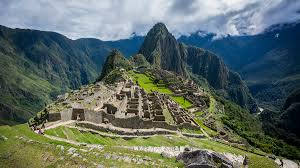
Hiking Peru’s Inca Trail to Machu Picchu Inca Trail Planning Guide Classic cred Nestled into a remote mountainside, Machu Picchu floats like a castle in the sky. It’s perched high above the Urubamba River chasm and surrounded by spiked peaks carpeted in orchids–more than 220 species have been identified in the Machu Picchu Historical Sanctuary. A network of smaller ruins lines the Inca Trail, the 20-mile, four-day route to Machu Picchu’s summit. The trail hugs the frothing Urubamba before climbing through cloud forest to Warmiwanusqa (Dead Woman Pass) at a lung-straining 13,780 feet. Plunge past the ruins of Runkuracay and continue over Inca-era paving stones that wind through the ancient fortresses of Sayamarca and Winay Wayna, where the neighboring youth hostel spins Euro-pop into the night. Next morning, rise before dawn and join the glittering chain of headlamps bobbing toward Intipunktu–the Sun Gate, where hikers watch the day’s first rays illuminate Machu Picchu’s expertly crafted stone walls.

Beta In 2001, Peru imposed trekking regulations requiring all hikers to travel with a licensed tour operator–which is saving the trail from the trashing it took in years past.
eberlestock backpacks and accessoriesGuides provide tents and food;
backpack mtayou bring boots, backpack, and raingear.
eminem backpack for saleAvoid monsoon season (November through April), when low-lying clouds shroud the scenery and the trail’s epic views.
cs go backpack calculatorGo in May, when skies are clearer and crowds haven’t yet peaked (high season is June through early September).
backpack koken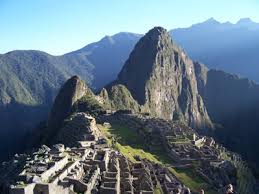
Fly into Cusco from Lima and join your guide for a 37-mile bus ride to Ollantaytambo and the Inca Trailhead.
backpacker cozy corner Local’s tip Peruvian kids often line the trail, offering to carry your pack at the precise moment that you’re feeling most defeated. They’ll want some money for their trouble, of course. Pack plenty of small bills and change. And save some for the hostel at Winay Wayna: It sells bottled beer but refuses notes larger than 20 nuevo soles (about $7). Plan it Book your guide four months in advance: Pachamama Explorers emphasizes cultural and ecological sustainability by supporting local projects, paying porters fairly, and packing out, instead of burying, all trekking trash. Check for last-minute openings with SAS Travel in Cusco, one of the biggest local guide services, offering several departures per week.In the Andes Mountains of Peru, one of the world’s most interesting and popular hikes meanders along a trail used by the Incas in their heyday.

Hikers pass ruins of fortresses and towns that can only be accessed from the trail. The climax of the trip is the spectacular site of Machu Picchu at sunrise. The Inca Trail is not easy— the idea was for the passage to go through easily defended areas: steep slopes and through narrow passes. Every bend in the path leads to another impressive vista and it’s easy to burn through several memory cards on a digital camera. If you want to set off on this 4-day adventure yourself, here is a rundown on what you need to know.The Inca Trail has become much more restricted and expensive in recent years, but for good reasons. Campsites are now designated, permanent toilets are in place, and rules prevent open fires and littering. Permits are limited to 500 people per day, with around 300 of those being porters and guides. So the actual tourists on each section of the trail are generally around 200 per day. Reservations are required, often several months in advance. (When I departed in mid-June, most tour companies were already booked up through mid-September.)

Independent trekking is not permitted: you must go with a group. Any reputable company will have a stated maximum group size, usually 12 to 18 people, so be wary if one is not listed. Competition is intense among the agencies, so prices don’t vary a whole lot— around $280 to $350 total. Pick a company based on reputation and how it conducts its operations. The Inka Porter Project offers guidelines for trekking in Peru here. We used Peru Treks and Adventure because they are very transparent about how they operate and they put a lot of money back into the community. For a rundown on different operators, see Andean Travel Web.Most agencies will have you wire a deposit by Western Union, then you will be required to show up a few days before the hike and pay the rest. You should get to Cusco at least 72 hours before departure. The city sits at over 11,000 feet (3,300 meters) and you climb to almost 14,000 feet on the second day. I saw a few poor souls struggling with altitude sickness and it was usually because they hadn’t allowed enough time to acclimatize.

I packed light for Peru, taking only an , so I had to make sure I thought through the gear choices. I left my waterproof shell at home, figuring I could always buy a cheap plastic poncho in Cusco if needed. I did buy one for $1 the day of the hike, but it never came out of the package. During the rainy season it would be useful. In high season however, from May to September, rain is rare. I hiked with a North Face Pamir windblocker fleece, which was an excellent choice. At the high passes, the wind whipped around wildly but that model kept me toasty. It was ample at night over a few layers. With some broken in hiking boots and four pairs of SmartWool socks, I didn’t get the first hint of a blister. At my wife’s insistence, we hired a personal porter to carry our belongings ($35 each) and just walked with daypacks for water, a camera, a fleece, and snacks. I did the whole Annapurna circuit in Nepal carrying my own gear but I’ll admit I was glad I listened to her on this one. This is in no way an easy hike and day two requires five or more hours of uphill trekking at high altitude.
Then it’s two hours of steep downhill on stone steps. Everyone carrying their own pack looked exhausted and drenched with sweat. My detachable day pack worked fine, though a day pack with a mesh part separating it from my back would have meant a drier shirt when it got hot. The temperature changes are extreme here, so it is important to carry layers. In the high season, it gets close to freezing at night; long underwear, a warm hat, and a good fleece came in handy. (If you come up short, you can buy inexpensive woolen or alpaca hats, gloves, sweaters, and socks locally.) During the day, however, it is sunny and can reach the high 70s Fahrenheit, so a t-shirt and shorts are more fitting. Many hikers made good use of zippered convertible pants that turn into shorts.The sun is intense at this altitude; bring good sunscreen, lip balm, sunglasses, and a hat. You can buy bottled water along the way sometimes, but all the plastic is taking a terrible toll on the local environment and any garbage has to be carried for days on the trail.