my bipolar backpack
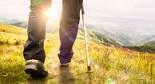
To stay safe while mountain climbing, pack proper gear. For example, bring supportive footwear and clothing for all types of weather. You can help prevent altitude-related illnesses by giving your body time to acclimatize to high altitudes. A portable oxygen supply may also lower your risk. If you have a severe headache or other symptoms of altitude sickness, try to descend at least 3,000 feet immediately and seek medical attention. Climbing to reach the top of a mountain can be a rewarding experience. with the thrills of climbing itself, mountain summits often offer sweeping views and uniquely solitary environments. However, it’s important to understand the health and physical challenges you may face when seeking adventure at highLearn about some of the risks of mountain climbing and steps you can take to stay safe. It’s essential to wear proper gear for hiking and mountain climbing. clothing that allows you to move and maneuver comfortably.

layers of clothing that you can add or remove as needed. Don’t forget rain- and wind-proof outerwear made of lightweight material. You should also bring something to keep the sun out of your eyes, such as a baseball hat andAlso, don’t forget the sunscreen. The sun’s rays tend to be more intense at higher altitudes, especially if reflecting off of snow. When you’re high up in the mountains, you may be far from civilization andRemember to carry food and water for your trip. hydrated can be challenging because you perspire more at higher altitudes. Carry all of your extra gear and food in a backpack with at least twoMake sure your backpack fits snugly and has padded straps and a waist Besides the hardship of hiking up a mountain, the high altitude itself can cause serious health concerns. Acute mountain sickness (AMS) is the most commonIt’s commonly known as “altitude sickness.” primary symptom is a severe headache, but other symptoms may include:
Some other altitude-related disorders include: edema, which causes your hands, feet, and face to swell Always take AMS seriously because it may put you at risk for HAPE or HACE. These are very serious conditions. HAPE happens when excess fluid collects in yourIt can cause shortness of breath, difficulty breathing, and coughing upHACE happens when fluid collects in your brain. confusion, uncharacteristic behavior, drowsiness, and loss of consciousness. There are several steps you can take to lower your risk of altitude-related illnesses. Most altitude-related illnesses are caused by lack of oxygen. have a lower concentration of oxygen in the air. You may be able to avoid altitude sickness by proper acclimatization. It’s important to take your time to travelRather than driving or flying to a high-altitude starting point, try to start low and gradually move your way up. Once you reach an altitude of 8,000 feet, don’t climb more than 1,000 feet per day, as advised by

It’s also important to stay hydrated, avoid drinking alcohol, stay warm, andSome climbers and trek leaders also carry an oxygen supply when traveling to extremely high altitudes. may help you make ascents without acclimating first. This helps you take in more oxygen. the physiological changes associated with acclimatization. Sleeping at high altitudes can be difficult. Low oxygen intake during the night can interrupt your sleep or leave you feeling tired in the morning. Acetazolamide can help you breathe better throughout the night. sleep low” is a phrase that many climbers swear by. You should sleep at the lowest altitude possible that’s compatible with your trip. If you’re prone to iron deficiency anemia, you may want to consider taking an iron supplement before and during travel to high altitudes. transported throughout your body in red blood cells. If you have anemia, you have fewer red blood to carry oxygen. As a result, you’re more likely to experience

altitude sickness than some with normal red blood cell counts. If you or a climbing partner has any symptoms of altitude-related illness,Try to descend by 3,000 feet or more. If descent is not immediately possible, take temporary measures to manage the illness. example, the person should be placed in a pressurized (Gamow) bag, given oxygen, or given drugs such as dexamethasone With proper preparation and careful attention to safety, high altitude hiking and mountain travel can be a fun, challenging, and truly inspiringAlways pack appropriate gear. Take time to acclimatize yourself toAnd ask your doctor about the potential benefits of taking acetazolamide and iron supplements.Talk to her about her disorder when she has one of her normal periodes. Neither manic nore depressed.Ask her if she is interested in being better at handling her condition and how you can help her.It might be a good idea to agree on things you can do or say to help. If she is conscious about the trouble that bipolar disorder can cause, she would probably like help.

Agree on how you handle either depression or manic episodes like:Agree on a specific sentence for her manic episode so she knows that you are not angry but have noticed her spiraling up and are there to help.Maybe have a list of exciting things to do together. When manic so many things seems trite and the brain wants something to stimulate it. Help her get some safe stimulation.Figure out if she has triggers for manic episodes and help her stay away from them.Likewise make plans for the depression.Plan how to talk to her when in a depressive state and what to do together. When depressed the world seems meaningless and it is hard to do anything. Promise her you are there to help her shower and eat healthy.Give her extra time and don't require anything from her. Everything seems much harder to handle and she will be pleased if nothing is expected.If you are there to help, she will learn to trust you more and listen to you if she has any manic or depressive episodes. After a while you will also be able to notice her changes earlier, and set in earlier with help and prevention of an episode.