best backpacking food dehydrator

Since 1973, Excalibur has consistently introduced advancements related to the mechanics of dehydration. Learn more about what sets Excalibur apart from competitive dehydrators. Raw, live food and water is the ultimate health care plan! It is food 'cooked' at low temperatures to maintain the foods enzymatic and nutritional properties. Technology that matters and why it's better! Innovation that contributes to drying foods BETTER, FASTER & SAFER ... Need a little help determining the features that suit your needs? This page explains all the Excalibur options available. Click here to view our video — Food in the backcountry is one of the most researched and debated topics on the web. We’re pretty sure it’s because food is a central — if not the central — aspect of society. We all have to eat, and many of us are pretty particular about what we eat. When you decide to hoist all of your food onto your back and head out into the wilderness, it really matters what you decide to take.

We’ve had posts on backpacking food nutrition and storage, both of which mention one of the tried and true methods for backpacking eats: dehydrated food. When you suck the moisture out of something it tends to be smaller and lighter. Depending on how you do it, you can still retain most of the nutrients, too. When you’re about to set out for a backpacking trip into the woods, you know that everything you need on the trail will take up precious space in your pack. Whether you plan to camp overnight or for several days, part of your supplies must include food. Dehydrated food makes a good choice because it saves weight during your trip, and if you dehydrated your own food, it can save money, too. People have been drying food for centuries. In ancient times meat, vegetables, fish, and fruits were laid out in the sun or dried near a slow fire to preserve food for the long winter months. Although dehydration removes moisture, food still retains its nutrients, but in a more concentrated form.
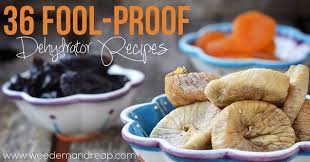
On a weight-by-weight basis, dehydrated foods are higher in calories. For instance, there are 51 calories in 3 1/2 ounces of fresh apricots vs. 260 calories in the same amount of dried apricots.
75l backpack sizeIn comparison to canned food, dehydrated food loses only 3-5 percent of nutritional content, while the process of canning removes up to 80 percent.
kiko backpackYou wouldn’t take canned food into the backcountry, but dehydrated food works at home as well as on the trail.
backpacker murders thailand Another advantage of dehydrated food, in addition to being nutritious, is that it’s dramatically lighter in weight — by up to 90 percent.
laptop bags sainsburys
If you’re dehydrating one pound of apples, for example, they will reduce down to 2 ounces of apple chips.
backpack ervaringen thailandThis method of preserving food makes it perfect for long-term storage and emergency situations, but it’s also the most effective way to bring food on a backpacking trip.
buy asus rog backpackYour menu will retain nutritional value and significantly decrease in weight. Some dehydrated foods have a longer shelf life than others. Dried meats should be consumed within two to three months or refrigerated. Fruits can be kept for up to a year, and vegetables up to six months, but they must be stored in a cool, dry, and dark environment. To discourage insect contamination and moisture from seeping back into dried food, make sure it is thoroughly cool, and then packed into freezer bags, plastic containers, or canning jars.

The temperature of the storage room is important, too. The higher the temperature, the shorter the shelf life of the dried food. Sixty degrees Fahrenheit is ideal for fruits and vegetables. Dehydrated foods that are used for camping or backpacking should be packaged in individual portions based on the length of your trip and number of people going with you. You’ll only want to bring what is necessary, because once a package is opened, air will seep in and food will begin to reabsorb moisture. This will invite deterioration. This isn’t an issue if you’re on a weekend trip, but if you plan to spend a month or more in the backcountry you’ll want to be more cautious with which foods you open, and when. If you can find lightweight storage (like freezer ziplock bags) and break them into individual meal portions. Each meal will stay fresh and ready as your trip wears on. Dried fruits and meats are generally edible as is, without needing to be reconstituted in water.

Vegetables should be added to boiling water, covered, and left to soak for 20 to 30 minutes. They can also be simmered until full volume and tender. Dried vegetables is one of the best ways to have a gourmet meal in the backcountry without hauling in tons of weight — just rehydrate them and add to the main course and you’ll get tons of nutrients. Fruits can be reconstituted the same way then soaked or simmered, depending on how they will be used. Usually, though, people eat them dry. There are several ways to dehydrate food, with some methods more efficient than others. The methods above are perfect for the DIY crowd, and if you’re interested in dehydrating your food for backpacking or storage all of them are good to experiment with. You can also buy dehydrated foods in stores, but this will typically cost more than doing it yourself. The best backpacking food is high energy, lightweight, tasty, and appropriate for long-term storage. Although dehydrating takes some effort and attention, the results will be appreciated out on the trail.